

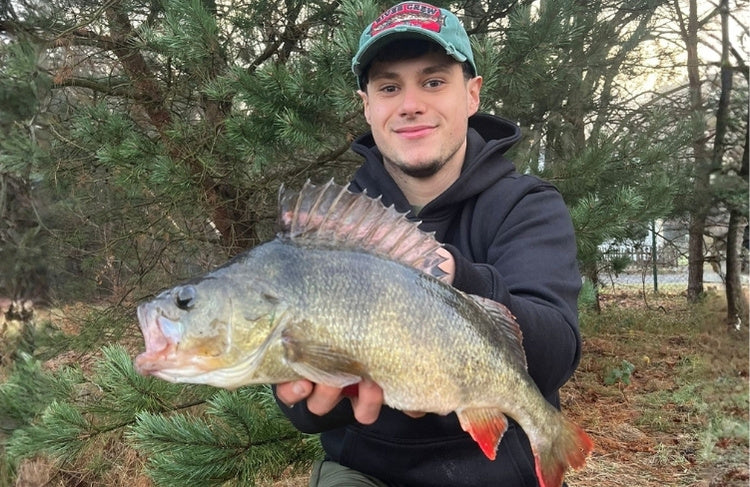
Fishing with artificial lures for bass is active, fast and surprising exactly. In this guide you can read which types of artificial bait yield the most (shads, plugs, spinners and spoons), how to choose your pace and depth when fishing for your nose and when it's best to go. With a few simple adjustments make a plan for each spot and your chances of catching fish will increase immediately.
What is artificial lure fishing for bass?
Lure fishing for bass involves simulating their hunting behavior with artificial baits like plugs, shads, spinners, or spoons. You cast, let the bait settle to the desired depth, and then trigger it with your reel and rod tip. Because bass are curious and hunt by sight, vibration, and rhythm, the right presentation allows you to target them effectively and often catch multiple fish in a single spot.
Artificial lures for bass
The great thing about fishing for bass with artificial bait is that you You can play with shape, color and action. Soft lures (shads, twisters and other softbaits) are versatile: you fish them slowly along the bottom or a little higher in the water. With a light jig head you have control over depth and speed. In In colder water or when bass are passive, slim shads work excellently.
Plugs are ideal when the fish is actively hunting. A shallow running plug of four to seven centimeters with a clear wobble is noticeable, especially in windy or light waves. Big advantage: you determine the diving depth with the shape of the swimming lip so you can fish precisely the layer where perch hang out.
Spinners and spoons are classics that still catch a lot of fish They throw far, emit constant vibration and lightning flashes and remain visible in murky water, especially along reed edges and bridges and quay walls they can make the difference.
Creature baits (imitations of crayfish or shrimp) do it works well on waters where there is a lot of natural scratching food. Fished with a light jig head or simple bottom presentation they come to life with small taps of the rod tip. Small jerkbaits can be surprisingly effective on warmer days. are, but keep them compact and give short, tight strokes without overdoing it breaks.
Techniques & tips for fishing with artificial lures for bass
Fishing with artificial lures for bass is all about variety and control. Vary the tempos: a few beats quickly, then a bit slower or a short stop, then accelerate again. Those small changes in rhythm create Hesitant bass often cross the line. Use your rod tip actively; a subtle upward or sideways movement makes softbaits undulate and plugs wider wave goodbye.
Fish light where possible. With a sensitive, flexible rod. you feel bites sooner and you are less likely to tear the hook out of the mouth. A thin braided main line gives direct contact; at the front you place a piece of fluorocarbon as an inconspicuous and durable leader. Always test new lures next to the edge: this way you can immediately see whether it runs straight, how it moves in different speeds and approximately what depth you reach.
If you have a bite or see followers, comb the spot . Perch often swims in groups; after one fish, more often follow. Cast from different angles, vary the depth and change the lure shape if necessary (from shad to plug or from spinner to spoon). If it remains quiet, take a a few steps and look for the next slope, obstacle or shady spot.
When should you fish for bass with artificial lures?
Bass can be caught all year round, but fishing with Bass lures change with the seasons and conditions. In summer chases bass much higher in the water. Then shallow plugs, spinners and Small jerkbaits work well, especially in the early morning and evening. In colder weather water makes the fish sink deeper; slow down your presentation and choose slim shads or twisters that you gently guide over or just above the bottom.
Weather and water color guide your choices. Clear water and sun call for more natural colors and slimmer profiles; cloudy water or gloomy weather calls for contrast and vibration (spinners, spoons, striking colors). Wind on the shore can turn the net on by making baitfish seeks out bankside crowds and makes your lure more alive.
Types of bass
In the Netherlands, when we say “perch” we almost always mean the European bass (Perca fluviatilis) . That is the species this article is about fishing. targeting bass with artificial bait. There are related predators within same family, like pike-perch (Sander lucioperca) and pike-perch (Gymnocephalus cernua) , but these require a different approach and fall outside this topic. Also note: name confusion: sea bass (Dicentrarchus labrax) is a sea fish and not an inland water “bass”, and sunfish is a Panfish introduced from North America and not true bass. Focus on artificial bait in fresh inland waters so on Perca fluviatilis and stem size, colour and tempo on that. ( Dutch Species Register )

Material suitable for bass
A spinning rod of approximately 2.10–2.40 meters with a casting weight Roughly 3–15 grams is perfect for most work. Combine this with a 2000–2500 reel, a thin braided line (e.g. 0.06–0.10 mm) and a Fluorocarbon leader around 0.20–0.26 mm. If you expect a lot of pike by-catch, then use a short, thin steel wire leader or check your fluorocarbon extra often for damage.
Reading cuttings
Bass like structure. Bridge piers, quay walls, dolphins, reed edges, edges with stones or shells, and the upper or lower edge a slope often produces bites. In town waters it pays to fish alongside boats and fish short, dark corners; on canals the transition from shallow to fairway a fixed route. Work a spot purposefully: first briefly before your feet, then fanning out further away and at different depths.
Common mistake
The most common mistake when fishing for bass with artificial bait is sticking to one type or one pace for too long. Keep changing: shape, color, depth and speed. A second mistake is fishing too heavy; you feel less, miss subtle ticks and tears out faster. Third: too large baits on water with small prey fish. Scale back to four to seven centimeters and build from there Finally, check your hook point and leader after every fish or snag; a blunt hook or damaged line costs fish.
This is how you go fishing for bass with artificial bait today
Take three main lines with you: a set of shads/twisters with light and slightly heavier jig heads, a few shallow plugs and a handful Spinners/spoons in a natural and striking color. Start at a spot with structure, start with a spinner or plug to quickly explore, switch Then switch to a shad to fish the bottom area precisely. Note what works: time, depth, color, pace. This way you build your own pattern for each water and Fishing with artificial lures for bass is becoming more and more predictable.
Ready for the water with River Crew
Want to refine your technique or try new fishing techniques? Then read What is dropshot fishing for a clear explanation of the setup, the bait and the right movements close to the bottom. Focus more on fast surface hunters, then go to Fishing for asp with practical spots, times, and lures that can handle the pace. Then you'll be heading out right away, Check out our fishing clothing collection with T-shirts , long-sleeves , hoodies , caps and beanies - layers that will keep you warm and sharp on the water's edge.


